
Stress Hormone Healing begins with the idea that your body needs safety, rhythm, and recovery. Many people try to manage stress only in moments of crisis. They wait until they feel exhausted, overwhelmed, or emotionally reactive. A better approach creates support before stress peaks. Your daily habits can either keep your system activated or help it settle. Food timing, rest, movement, boundaries, and emotional processing all play a role. Healing does not mean forcing calm instantly. It means creating conditions that make calm easier to return to. That is where intentional routine becomes valuable.
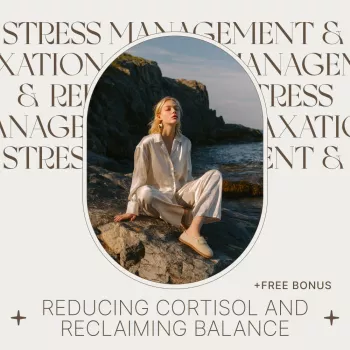
Your body responds to repeated pressure, not just isolated stressful moments. A difficult week can feel heavy when there is no room for recovery. A clear nervous system support plan helps you build steadier days. It may include pauses, breathing, balanced meals, gentle movement, and a consistent evening rhythm. The ebook Reducing Cortisol and Reclaiming Balance within You brings these ideas into a practical lifestyle format. It helps readers stop treating stress as a personal failure and start approaching it as a signal.
Overload can appear in subtle ways. You may feel impatient, scattered, tense, emotionally flat, or easily irritated. Your sleep may change. Your motivation may drop. Your body may feel tired while your mind stays active. A simple stress trigger journal can help you identify what happens before these symptoms appear. Track timing, situations, thoughts, and body sensations. Patterns often become visible within a few days. Once you know the pattern, you can respond earlier. Earlier response usually feels easier than late recovery.
Mindful pauses give your day small recovery points. You do not need a long meditation session to begin. You can pause before answering an email, before entering a meeting, or before reacting to conflict. A daily relaxation routine might include three deep breaths, shoulder release, or one minute of quiet awareness. These small pauses teach your body that not every moment requires urgency. The product Reducing Cortisol and Reclaiming Balance within You supports this gentle, repeatable approach to balance.
Emotional regulation is not about ignoring feelings. It is about giving yourself enough space to respond thoughtfully. Stress often speeds up reactions. You may snap, withdraw, overthink, or say yes when you need rest. Practical emotional regulation tools can help you slow that cycle. Try naming the feeling, taking a breath, writing the concern, or stepping away briefly. These practices make emotions less overwhelming. They also help you protect relationships while caring for your own nervous system.
Movement helps many people process tension. It does not need to be intense to be useful. A walk, stretching session, light yoga flow, or gentle mobility routine can help your body shift out of stuck stress energy. A consistent gentle movement routine also creates a healthy transition between work and rest. Choose movement that feels supportive, not punishing. Stress recovery should not become another pressure project. Your body needs care, not another performance standard.
Evening habits shape how well you recover. Late-night scrolling, unfinished tasks, and mental overload can make the body feel alert when it should be settling. A calming sleep and stress balance routine supports a smoother transition. Reduce stimulation, prepare tomorrow’s essentials, and create a small closing ritual. This could be journaling, stretching, reading, or breathwork. The key is consistency. Your body learns from repetition, and evenings become easier when the routine feels familiar.
A sustainable reset should feel realistic. You do not need to change every habit at once. Start with one morning support, one daytime pause, and one evening wind-down. Add burnout recovery habits if you feel emotionally depleted. Include mindfulness lifestyle reset practices when your days feel scattered. For deeper guidance, use Reducing Cortisol and Reclaiming Balance within You. It helps you build a calmer rhythm with more compassion and less overwhelm.










Leave a comment