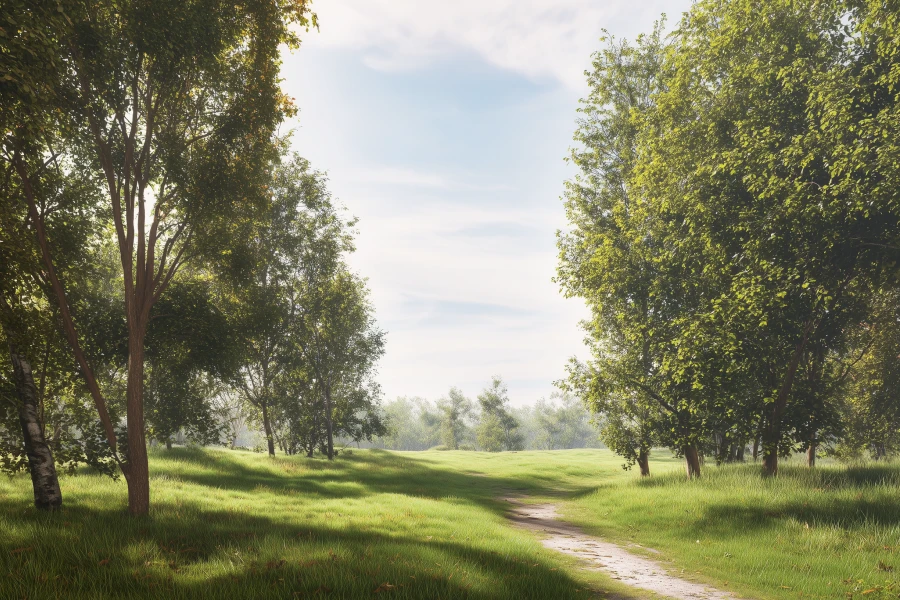
A Self-Care Walking Routine can help you create calm without needing a complicated wellness plan. Walking is simple, accessible, and easy to repeat. When you add mindfulness, it becomes more than movement. It becomes a space to breathe, notice, release, and return to yourself. You can use a short outdoor walk to reset after a difficult morning. You can use it to transition out of work mode. You can also use it as a quiet ritual before sleep. The Mindful Walking in Nature for Stress Relief guide helps you shape this habit with gentle structure. Self-care feels more sustainable when it fits into real life.
A Self-Care Walking Routine helps because it gives your nervous system a predictable reset. Stress often builds when you move from one demand to another without pause. Walking creates that pause. Nature adds softness, space, and sensory support. A simple walking therapy practice can help you release tension gradually. You do not need to solve every thought during the walk. You only need to give your body time to move and breathe. When repeated consistently, this routine becomes a signal. It tells your mind that it is safe to slow down.
A walking routine feels stronger when it has a clear beginning and ending. Before you start, pause for three breaths. Notice your mood without judging it. Choose one intention, such as soften, listen, or reset. At the end, pause again and ask what changed. A practical mindful walking prompts list can guide these moments. The ritual does not need to be long. It only needs to be repeated. Repetition gives the walk emotional shape. Over time, your body recognizes the routine more quickly and settles into it with less effort.
A Self-Care Walking Routine can work even when your day feels crowded. You can walk for ten minutes around the block. You can step outside during lunch. You can choose a quiet hallway, courtyard, park path, or neighborhood street. The Mindful Walking in Nature for Stress Relief guide helps you adapt the practice to different settings. A short stress relief walking plan can still be effective. Focus on one sense, one breath pattern, or one grounding phrase. Small practices are easier to keep. Consistency matters more than length.
Nature can make self-care feel less forced. Trees, sky, sunlight, air, and changing seasons give your attention somewhere gentle to land. You can notice one leaf, one sound, or one color. You can watch clouds move. You can feel the path under your feet. A calming nature therapy guide helps you use these details intentionally. The point is not to escape your life. The point is to return with more steadiness. Nature reminds you that not everything needs to happen quickly. Some things settle by being given time.
A Self-Care Walking Routine can help when emotions feel tangled. Begin by naming what is present. You might notice worry, irritation, sadness, fatigue, or restlessness. Then walk without trying to fix it immediately. Let your breath and steps create space around the feeling. A gentle emotional reset walk supports this process. The Mindful Walking in Nature for Stress Relief guide can help you choose prompts that match your mood. Some walks need quiet. Others need reflection. Both can be useful.
A Self-Care Walking Routine becomes easier when you remove barriers. Keep comfortable shoes near the door. Choose a simple route. Decide your preferred walking time. Save calming prompts on your phone. Track how you feel before and after. Self-care does not need to be dramatic to work. Sometimes it is a quiet walk, a slower breath, and one kind choice repeated often.










Leave a comment