
A Stress Recovery Ebook can help you rebuild balance when stress has become your normal setting. Many people do not realize how long they have been running on tension until they finally slow down. You may feel productive on the outside while feeling depleted inside. Stress recovery gives you permission to stop treating exhaustion as proof of commitment. It invites you to create daily support instead. This kind of recovery is not about escaping responsibility. It is about learning how to meet life with more steadiness. A calm routine can become the foundation for that shift.
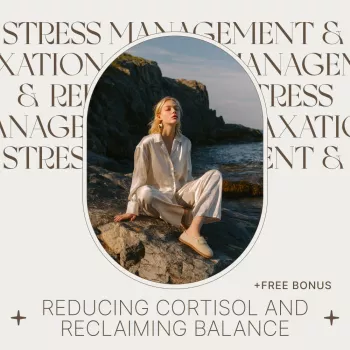
Stress recovery often feels vague without structure. You may know you need rest, but not know what kind of rest would actually help. A guided stress management workbook approach turns recovery into practical steps. You can identify triggers, create rituals, build boundaries, and track what supports you. The ebook Reducing Cortisol and Reclaiming Balance within You gives readers a thoughtful path through that process. Structure matters because it keeps recovery from becoming another abstract goal you postpone.
Recovery is more than taking a day off. It means giving your body and mind repeated signals of safety. That may include quiet time, supportive food, movement, emotional processing, better sleep, and fewer unnecessary demands. A practical nervous system support plan helps you create those signals. Recovery also means noticing when you are pushing past your limits. You do not need to wait for burnout before making changes. You can build support while life is still moving.
Burnout patterns often begin quietly. You may stop feeling excited about things you once enjoyed. You may become less patient, less focused, or less emotionally available. A thoughtful burnout recovery habits plan helps you respond before depletion deepens. Start by reducing one pressure point. Add one calming practice. Protect one block of rest. The product Reducing Cortisol and Reclaiming Balance within You supports gradual rebuilding instead of unrealistic overnight transformation. Sustainable recovery happens in layers.
Emotional balance improves when you create space between feeling and reacting. Stress can make everything feel urgent, even when it is not. Use emotional regulation tools to pause, name the feeling, and choose your next step. This might include journaling, breathing, walking, or stepping away from a conversation briefly. These tools help you care for your emotions without being controlled by them. Emotional balance is not constant calm. It is the ability to return to yourself more easily.
Stress often becomes worse when every moment requires a decision. A supportive routine reduces that burden. You can create a fixed morning start, a predictable lunch break, a short breathing pause, and a simple bedtime ritual. A daily relaxation routine gives your nervous system familiar cues. Familiar cues make recovery feel easier. You do not need to reinvent calm every day. You can practice it through repeatable moments that become part of your life.
Sleep often reflects the stress of the day. If your mind stays busy at night, your evening routine may need more support. A sleep and stress balance plan can include lower light, less stimulation, calming activities, and a written tomorrow list. This helps reduce the feeling that you must solve everything before bed. The ebook Reducing Cortisol and Reclaiming Balance within You connects evening care with broader stress recovery. Better nights support more grounded days.
Your recovery toolkit should feel personal. Some people calm down through movement. Others need writing, quiet, connection, nature, or structured planning. Try different practices and notice what actually helps. Use a mindful stress reset when your thoughts race. Add a calm morning ritual when mornings feel chaotic. Use an evening wind-down plan when nights feel restless. Recovery becomes easier when the tools match your real needs, not someone else’s ideal routine.
Long-term balance comes from repetition, compassion, and honest adjustment. You may need different support during busy seasons, emotional transitions, or periods of deep fatigue. That is normal. Use balanced lifestyle habits as a flexible foundation. Add breathing exercises for stress whenever you need a quick reset. For deeper guidance, explore Reducing Cortisol and Reclaiming Balance within You. It helps you rebuild calm in a way that feels gentle, steady, and realistic for everyday life.










Leave a comment