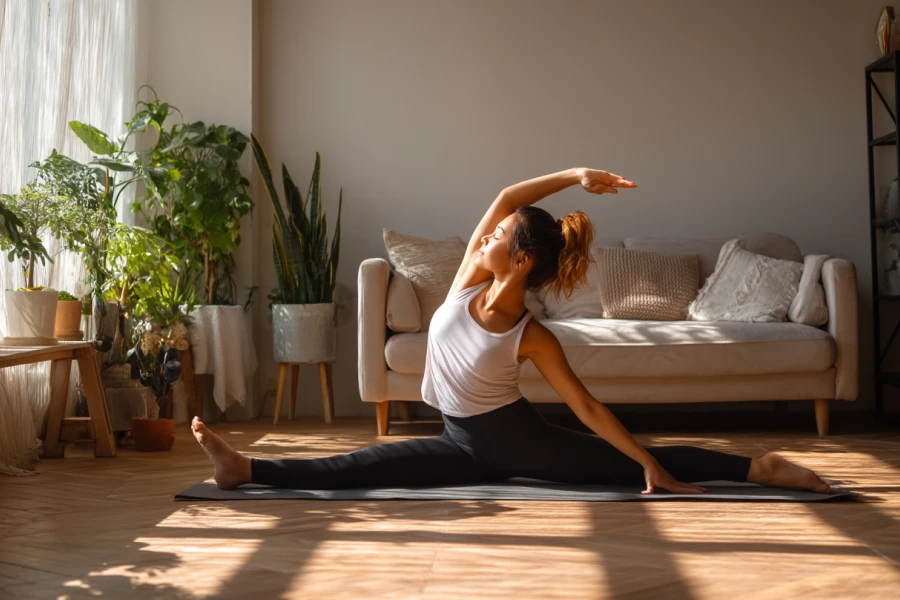
Sustainable Everyday Activity is about building movement that fits your life long term. It is not about forcing dramatic routines for a few motivated days. It is about creating a pattern you can actually repeat. Many people start wellness plans with too much intensity. Then they stop when normal life returns. A better approach makes movement smaller, kinder, and easier to attach to existing routines. Building Daily Movement helps you make that shift. It focuses on activity that feels doable. You can move more without redesigning your entire schedule. That makes progress feel calmer and more realistic.
Sustainability matters because short bursts of effort rarely change daily life. A hard workout week may feel impressive, but it may not create a stable routine. A five-minute daily movement habit can become more dependable. That dependability builds confidence. A daily movement routine gives your body regular signals to stay active. A simple wellness routine keeps the process approachable. You do not need to prove discipline every day. You need movement that feels easy enough to repeat. That is what makes long-term activity possible.
Busy people need movement that slides into the day instead of competing with it. You can walk during calls. You can stretch after sitting. You can do a few mobility moves before bed. You can take stairs when the option feels reasonable. These choices support movement for busy people because they do not require perfect timing. They also create everyday activity habits from ordinary moments. Building Daily Movement helps you identify those moments. The habit becomes less about finding time. It becomes more about using the time already present.
Pressure often makes movement harder to maintain. When every session must be perfect, skipping one day can feel like failure. A softer method works differently. It gives you several levels of activity. On high-energy days, you can walk longer or add more movement. On low-energy days, you can stretch gently or take two short breaks. A low-pressure movement plan keeps you connected to the habit. It also supports gentle fitness ideas that feel kind to your body. This flexibility reduces guilt. It also makes consistency more realistic.
Activity does not need to look like a workout to support your body. Walking to the store, cleaning with energy, stretching during screen breaks, and standing while folding laundry all count as movement. This mindset helps people who feel intimidated by fitness culture. It also makes movement without workouts feel legitimate. You can add movement breaks at home throughout the day. These moments may be short, but they reduce long periods of stillness. That matters. When you widen your definition of activity, staying active becomes much easier.
Walking is one of the most sustainable movement habits because it adapts easily. You can walk indoors, outdoors, alone, with someone, slowly, or briskly. You can use it as transportation, relaxation, or a mental reset. Strong walking habit ideas help you begin without pressure. Start with a route that feels easy. Pair it with something pleasant, such as music, a podcast, or quiet time. A healthy movement checklist can remind you to include walking several times each week. Simple repetition creates dependable progress. That is the strength of walking.
The best Sustainable Everyday Activity grows in layers. First, choose one movement anchor. Then add one backup option for difficult days. Later, add variety for energy and interest. Use active lifestyle habits that feel natural in your home, neighborhood, and work routine. Keep sustainable fitness habits at the center, not intensity. Building Daily Movement can help you make those choices practical.









Leave a comment